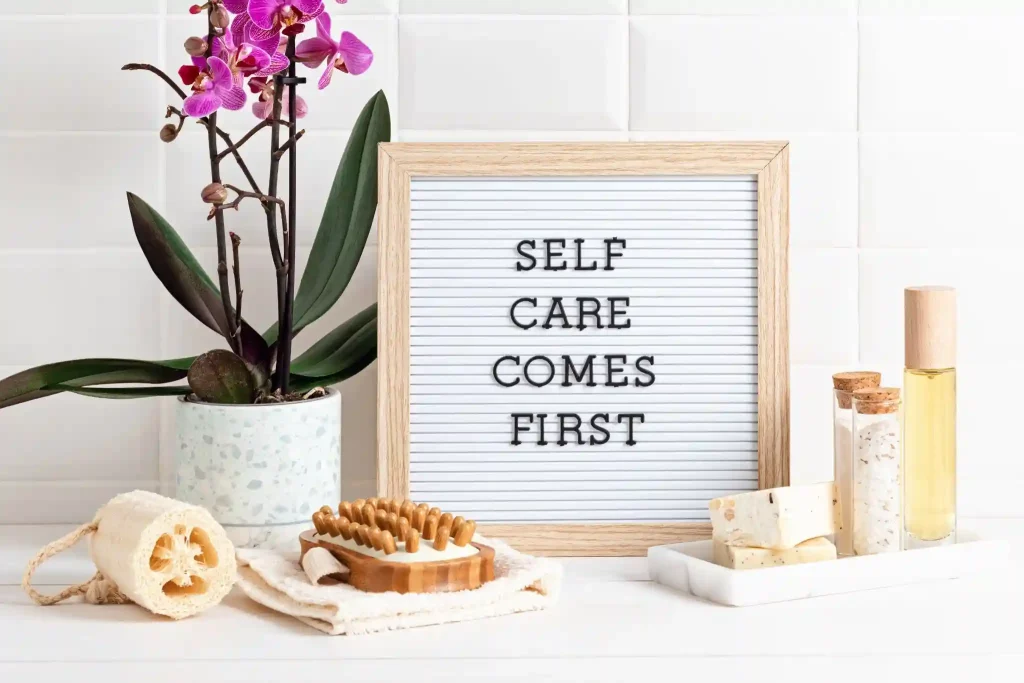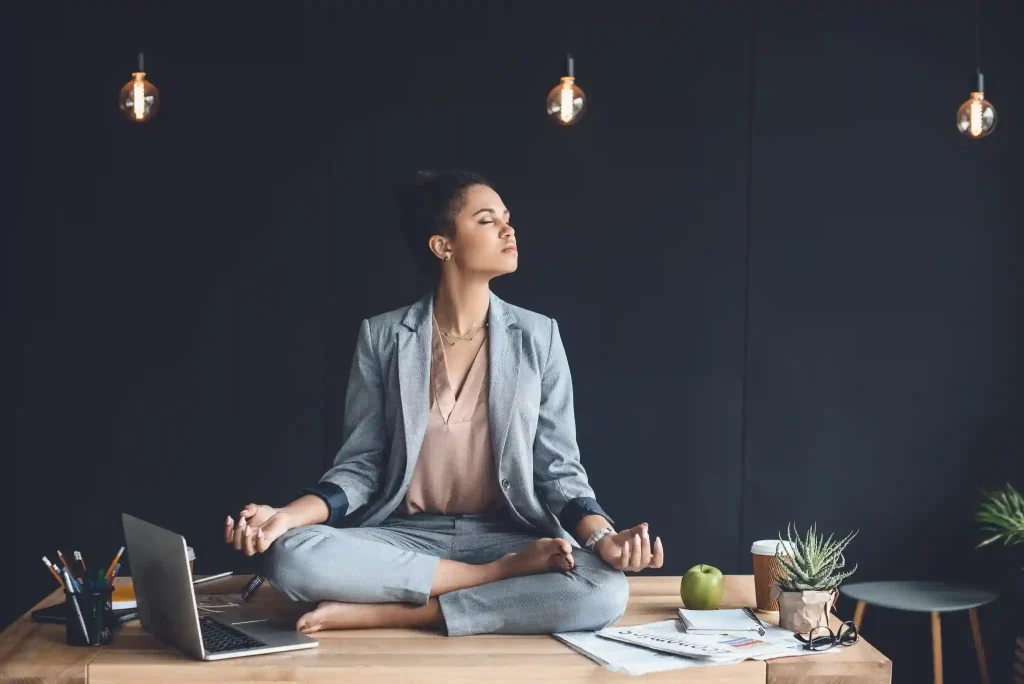
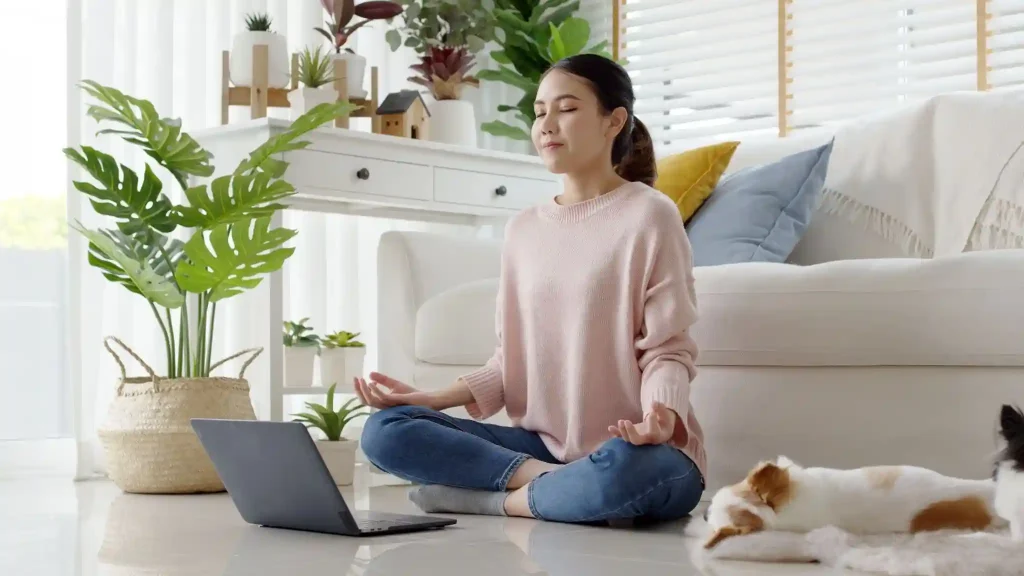
In our fast-paced and demanding lives, stress can feel like an unwelcome companion. Whether it stems from work pressures, family commitments, or the overwhelming influx of information, learning how to relieve stress naturally at home is crucial for maintaining your overall well-being. This article will explore various natural methods to alleviate stress, offering insights grounded in real-life experiences and expert advice.
Understanding Stress
Stress is the body’s natural response to challenges or threats. It triggers a series of physiological reactions, often referred to as the “fight or flight” response. While some stress can be motivating, chronic stress can lead to severe health issues, including anxiety, depression, and cardiovascular diseases. Recognizing the signs of stress is essential for managing it effectively and improving your quality of life.
The Importance of Relieving Stress Naturally
Finding ways to relieve stress naturally is vital for both mental and physical health. Unlike pharmaceutical solutions, natural stress relief methods often have fewer side effects and promote a holistic approach to well-being. By incorporating these techniques into your daily routine, you can build resilience and enhance your quality of life.
Creating a Calm Environment
A significant, yet often overlooked, step in relieving stress is creating a calming environment at home. The atmosphere you inhabit can significantly influence your mood and stress levels.
Decluttering Your Space
A cluttered environment can lead to feelings of chaos and anxiety. Start by decluttering your living space. This doesn’t mean you need to throw everything away; instead, organize your belongings and create designated spaces for each item. A tidy home can foster a sense of peace and control. Studies have shown that individuals who keep their surroundings organized report lower levels of stress and anxiety.
Incorporating Nature
Bringing elements of nature indoors can dramatically improve your mood. Consider adding houseplants, which not only purify the air but also enhance your connection to the natural world. Research has shown that spending time around plants can lower cortisol levels, the hormone associated with stress. If you don’t have a green thumb, even a bouquet of fresh flowers can brighten your space and spirit.
Lighting and Colors
The lighting and colors in your home can also impact your emotional state. Soft, warm lighting can create a cozy atmosphere, while bright colors like yellow and green can evoke feelings of happiness. Experiment with different lighting options and decor to create a space that makes you feel relaxed and at ease.
Mindfulness and Meditation
Mindfulness practices and meditation are powerful tools for relieving stress naturally. These techniques help you focus on the present moment, promoting relaxation and reducing anxiety.
Real-Life Example
Take Jane, a busy school teacher who often felt overwhelmed by her demanding job. She began practicing mindfulness meditation for just ten minutes each day. Over time, she noticed a significant reduction in her anxiety levels and improved focus at work. Research supports this; a study published in the journal Health Psychology found that mindfulness meditation can effectively reduce stress and improve emotional regulation.
How to Get Started
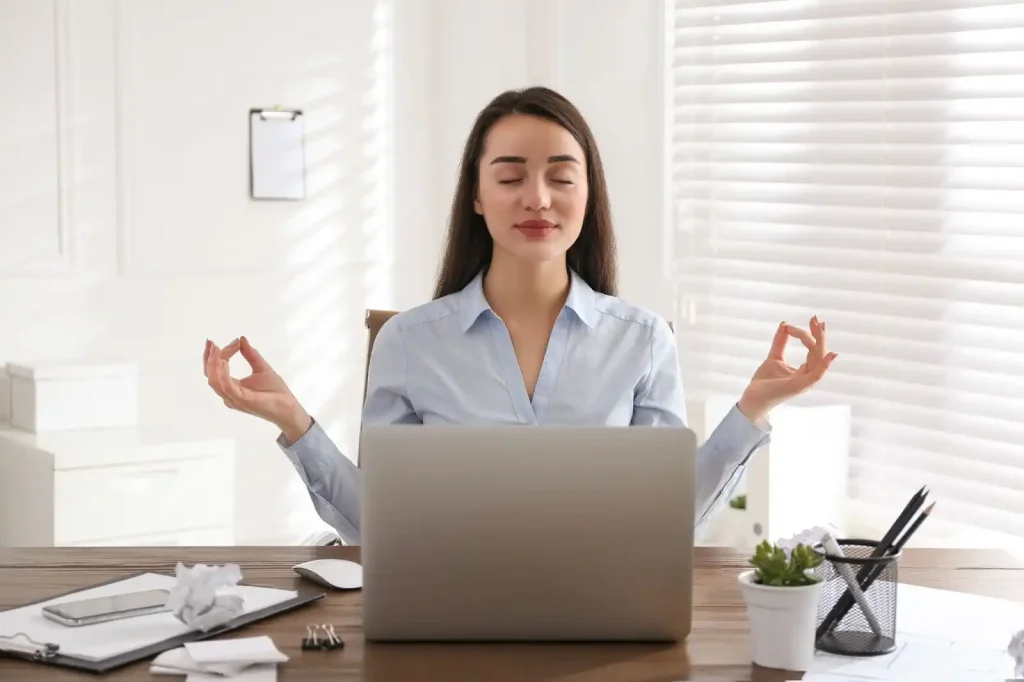
To begin your mindfulness journey, find a quiet space in your home. Sit comfortably, close your eyes, and take a deep breath. Focus on your breathing, allowing thoughts to flow in and out without judgment. Apps like Headspace and Calm can provide guided sessions to help you get started and maintain your practice.
Engaging in Physical Activity
Physical activity is one of the most effective ways to relieve stress, and you don’t need a gym membership to reap its benefits. Regular exercise can boost your mood and help you feel more relaxed.
Expert Insight
Dr. Michael Otto, a professor of psychology at Boston University, emphasizes the importance of exercise for mental health. He notes, “Even moderate physical activity can have a profound impact on reducing stress and improving mood.” Whether it’s a brisk walk, yoga, or dancing in your living room, find an activity that you enjoy and make it a regular part of your routine.
Real-Life Example
Consider Mark, a freelance writer who often felt overwhelmed by deadlines. He started taking daily walks in the park near his home. Not only did this provide him with fresh air and a change of scenery, but it also helped him clear his mind and boost his creativity. Engaging in physical activity, even in small doses, can significantly enhance your well-being and reduce stress.
Deep Breathing Exercises
Deep breathing is a simple yet effective natural technique to relieve stress. It activates the body’s relaxation response, helping to lower heart rates and reduce feelings of anxiety.
How to Practice Deep Breathing
To practice deep breathing, find a comfortable position and close your eyes. Inhale deeply through your nose for a count of four, hold your breath for a count of four, and then exhale slowly through your mouth for a count of six. Repeat this process for several minutes. Many people find that deep breathing not only alleviates stress but also enhances overall well-being and clarity.
Aromatherapy
Aromatherapy utilizes essential oils to promote relaxation and relieve stress. Different scents can evoke different emotional responses, making aromatherapy a powerful ally in stress management.
Popular Essential Oils
Lavender, chamomile, and bergamot are among the most popular essential oils for stress relief. You can use these oils in a diffuser, add them to a warm bath, or mix them with a carrier oil for a soothing massage. Research indicates that inhaling lavender oil can significantly reduce anxiety levels and improve sleep quality.
Real-Life Example
Lisa, a busy mom, often felt overwhelmed by her responsibilities. She started using a lavender diffuser in her bedroom each night. The calming scent helped her unwind, leading to better sleep and a more relaxed state of mind during the day. Incorporating aromatherapy into your daily routine can create a tranquil environment conducive to relaxation.
Journaling
Writing down your thoughts and feelings can be an effective way to process emotions and relieve stress naturally. Journaling allows you to express what’s on your mind and can provide clarity and perspective.
How to Start Journaling
Begin by setting aside a few minutes each day to write. You can jot down your thoughts, reflect on your day, or express gratitude for things you appreciate. This practice can help you gain insight into your stressors and develop a more positive mindset.
Expert Insight
Dr. James Pennebaker, a psychologist and researcher, found that expressive writing can lead to significant improvements in mental health. He states, “Writing about your thoughts and feelings can help you process them and reduce stress.” Establishing a journaling routine can serve as a valuable tool in managing stress effectively.
Engaging in Hobbies
Participating in hobbies and activities you enjoy can serve as a wonderful distraction from stress. Whether it’s painting, gardening, or playing a musical instrument, engaging in creative outlets allows you to express yourself and relax.
Real-Life Example
Consider Anna, who found joy in knitting. Whenever she felt stressed, she would sit down with her knitting needles and yarn. The repetitive motions and creative expression helped her temporarily escape her worries and brought her a sense of accomplishment. Engaging in hobbies can foster a sense of fulfillment, making them an excellent way to manage stress.
Nutrition and Hydration
What you eat and drink plays a significant role in how you feel. A balanced diet can help you manage stress and promote overall well-being.
The Role of Nutrition
Foods rich in omega-3 fatty acids, such as salmon and walnuts, can help reduce symptoms of anxiety and depression. Additionally, incorporating plenty of fruits, vegetables, and whole grains can provide the nutrients your body needs to cope with stress. Studies have shown that a diet high in fruits and vegetables is associated with lower levels of stress and improved mood.
Hydration is Key
Staying hydrated is equally important. Dehydration can lead to fatigue and irritability, which can exacerbate stress. Aim to drink at least eight glasses of water a day, and consider herbal teas known for their calming effects, such as chamomile or peppermint. Proper hydration can help maintain optimal brain function and improve your mood.
Practicing Gratitude
Cultivating gratitude can shift your focus from stressors to the positive aspects of your life. Keeping a gratitude journal, where you note things you’re thankful for, can be a powerful tool for stress management.
Expert Insight
Psychologist Dr. Robert Emmons, a leading expert on gratitude, found that individuals who practice gratitude regularly experience lower levels of stress and depression. By focusing on what you appreciate, you can cultivate a more positive mindset, even in challenging times. Making gratitude a daily practice can help you develop resilience against stress.
Connecting with Loved Ones
Building and maintaining social connections is vital for stress relief. Sharing your feelings with friends or family can provide emotional support and help you gain perspective on your challenges.
Real-Life Example
Take Tom, who felt isolated during a particularly stressful period. He made a conscious effort to reach out to friends, scheduling weekly dinners and phone calls. By sharing his experiences and seeking support, he felt a renewed sense of connection and reduced feelings of stress. Strong social ties can act as a buffer against stress, helping you navigate life’s challenges more effectively.
Nature Exposure
Spending time in nature is an effective stress relief technique. Nature has a calming effect on the mind and body, reducing stress and promoting relaxation.
Real-Life Example
Emily, a city dweller, made it a point to visit local parks during her lunch breaks. The greenery and fresh air helped her clear her mind and recharge. Research shows that spending time in nature can lower cortisol levels and enhance mood. Even short walks in a natural setting can provide significant stress relief, making it an easy addition to your routine.
Professional Help
Sometimes, managing stress requires professional intervention. Therapists and counselors can provide strategies tailored to your specific needs and circumstances.
When to Seek Help
If stress is interfering with your daily life, it may be time to consult a mental health professional. They can offer valuable tools to handle stress more effectively and can provide a supportive space to explore your feelings. Therapy can be a transformative experience for many, helping you gain insights and develop coping strategies.
Conclusion
Incorporating these natural techniques to relieve stress at home can lead to significant improvements in your overall well-being. Whether it’s through mindfulness, physical activity, social connections, or professional help, finding what works for you is key. Remember, managing stress is a journey, and it’s okay to seek support along the way. By taking proactive steps, you can navigate life’s challenges with resilience and grace.
Meta Title: Natural Ways to Relieve Stress at HomeMeta Description: Discover effective techniques to relieve stress naturally at home. Explore practical methods to enhance your well-being and improve your quality of life.