
Transitioning to a healthy lifestyle is a journey that many aspire to undertake. However, the idea of overhauling your entire life can be overwhelming. The truth is, making gradual changes is often the most effective approach. By taking small, manageable steps, you can create lasting habits that enhance your overall well-being. This article will guide you through the process of transitioning to a healthy lifestyle, emphasizing the importance of gradual change and practical strategies to help you succeed.
Understanding What a Healthy Lifestyle Means
Defining a Healthy Lifestyle
A healthy lifestyle encompasses various aspects of life, including diet, exercise, and mental health. It’s not just about eating salad every day or hitting the gym for hours. Instead, it involves finding a balance that works for you personally. A healthy lifestyle promotes physical fitness, mental clarity, and emotional stability. It encourages positive habits that enhance your quality of life and support your long-term health goals.
Benefits of a Healthy Lifestyle
Adopting a healthy lifestyle offers numerous benefits. Physically, it can help you maintain a healthy weight, reduce the risk of chronic diseases, and improve your energy levels. Mentally, it contributes to better mood regulation and can decrease feelings of anxiety and depression. Ultimately, the transition to a healthier lifestyle can lead to a longer, more fulfilling life, allowing you to enjoy each day to the fullest.
Setting Realistic Goals
Importance of Goal Setting
Setting realistic goals is crucial when transitioning to a healthy lifestyle. Without clear objectives, it’s easy to lose motivation or feel overwhelmed by the changes ahead. Goals provide direction and a sense of purpose, helping you stay focused on what you want to achieve. By establishing specific targets, you can track your progress and celebrate your successes along the way.
Types of Goals
When setting goals, consider both short-term and long-term objectives. Short-term goals are immediate and achievable, such as drinking more water each day or going for a 20-minute walk three times a week. Long-term goals are broader, like losing a specific amount of weight or running a marathon. Using the SMART goals framework—Specific, Measurable, Achievable, Relevant, and Time-bound—can help you create effective goals that keep you motivated and on track.
Assessing Your Current Lifestyle
Self-Reflection Exercises
Before diving into changes, take a moment for self-reflection. Journaling can be a powerful tool for evaluating your current habits and routines. Write down what you eat, how much you exercise, and your mental health status. Identifying patterns in your lifestyle can help you pinpoint areas that need improvement. Self-reflection allows you to understand your current state better and helps you create a roadmap for your transition.
Understanding Barriers to Change
As you assess your lifestyle, it’s essential to recognize the barriers that may hinder your progress. Common obstacles include time constraints, lack of motivation, and limited resources. Acknowledging these barriers is the first step in overcoming them. For instance, if time is an issue, consider ways to integrate healthy habits into your existing routine. Perhaps you can prepare meals on weekends or take a brisk walk during your lunch break. Finding solutions to these challenges is crucial for a successful transition.
Making Gradual Changes to Your Diet
Small Dietary Adjustments
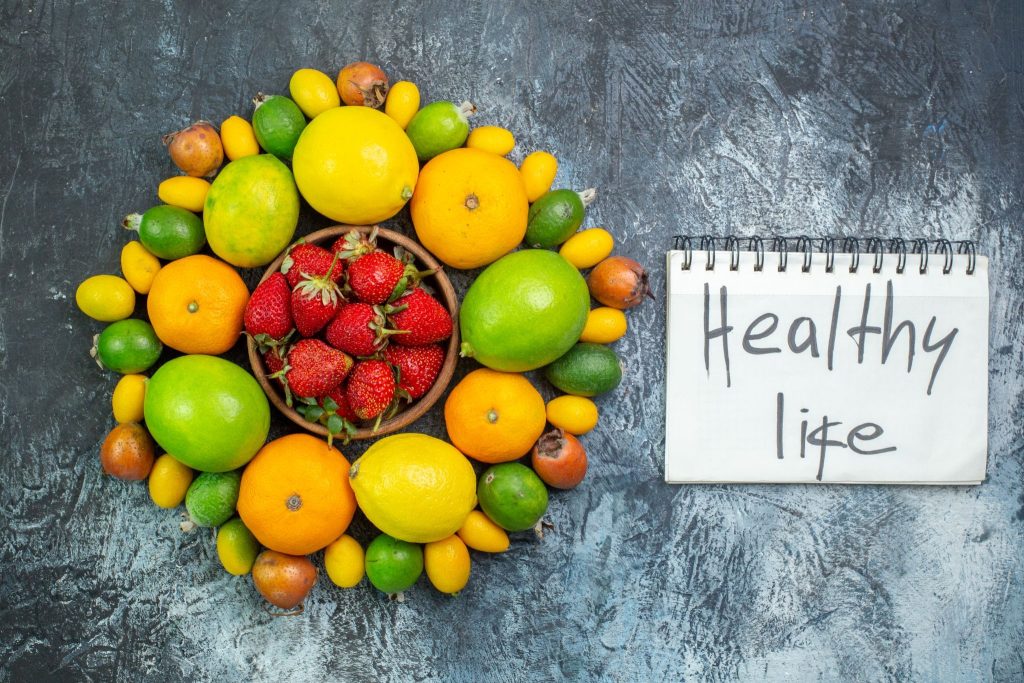
Transitioning to a healthier diet doesn’t mean you have to eliminate all your favorite foods. Instead, focus on making small adjustments that can have a significant impact over time. Start by incorporating more fruits and vegetables into your meals. Aim to fill half your plate with colorful produce at every meal. Gradually reduce processed foods and added sugars, opting for whole, nutrient-dense options instead. This approach makes the transition more manageable and enjoyable, allowing you to savor the process.
Meal Planning and Preparation
Meal planning is an excellent way to set yourself up for success. Dedicate some time each week to plan your meals and snacks. This not only saves time during busy weekdays but also ensures you have healthy options readily available. When you prepare meals at home, you have control over the ingredients, making it easier to stick to your dietary goals. Consider batch cooking on weekends to streamline your week and avoid the temptation of unhealthy fast food.
Incorporating Physical Activity
Finding Activities You Enjoy
Exercise is a vital component of a healthy lifestyle, but it doesn’t have to be a chore. The key is to find activities you genuinely enjoy. This could be anything from dancing to hiking, swimming, or practicing yoga. When you engage in activities that bring you joy, you’re more likely to stick with them in the long run. Experiment with different forms of exercise until you discover what resonates with you.
Creating a Consistent Routine
Once you’ve found activities you enjoy, it’s essential to create a consistent routine. Schedule your workouts just like you would any other important appointment. Whether it’s a morning jog or an evening yoga class, make it a priority. Consistency is key to building habits that last. Start with shorter sessions and gradually increase the duration and intensity as you become more comfortable.
Fostering Mental Well-Being
The Role of Mental Health in Lifestyle Changes
Mental wellness is integral to any healthy lifestyle transition. When you feel good mentally, you’re more likely to make positive choices in other areas of your life, including diet and exercise. Recognizing the connection between mental health and overall well-being is essential. Take time to address any mental health concerns you may have, as they can impact your ability to make lasting changes.
Mindfulness and Stress Reduction Techniques
Incorporating mindfulness into your daily routine can significantly enhance your mental well-being. Mindfulness practices, such as meditation and deep breathing exercises, can help you stay grounded and reduce stress. Set aside a few minutes each day to practice mindfulness. Focus on your breath, clear your mind, and allow yourself to be present in the moment. These techniques can improve your resilience, making it easier to navigate the challenges of lifestyle changes.
Seeking Support from Others
Transitioning to a healthy lifestyle can sometimes feel isolating. Seeking support from friends, family, or even online communities can provide encouragement and accountability. Share your goals with those around you and invite them to join you on your journey. Having a support system can make the process more enjoyable and help you stay motivated. Remember, you don’t have to do this alone.
Evaluating Your Progress
Tracking Your Changes
Monitoring your progress is a vital part of transitioning to a healthy lifestyle. Use tools like journals or apps to track your food intake, exercise, and mental wellness. Regularly reviewing your progress can help you identify what’s working and what might need adjustment. Celebrate the small victories along the way, as these moments of success can boost your motivation and keep you focused on your goals.
Celebrating Small Wins
Recognizing and celebrating your achievements is essential for maintaining motivation. When you reach a milestone, no matter how small, take the time to acknowledge it. Reward yourself with non-food-related treats, such as a relaxing bath, a new workout outfit, or a fun outing with friends. Celebrating small wins reinforces positive behavior and encourages you to continue on your path to a healthier lifestyle.
Conclusion
Transitioning to a healthy lifestyle is a journey that requires patience and commitment. By implementing gradual changes, setting realistic goals, and fostering a supportive environment, you can create sustainable habits that enhance your well-being. Remember, it’s not about perfection but progress. Take small steps each day, and over time, you’ll find yourself living a healthier, more fulfilling life. Embrace the journey, and don’t hesitate to seek support along the way.