Stress is an inevitable part of modern life, but how we manage it can make all the difference in our overall well-being. With the fast-paced world we live in, it’s essential to explore effective stress relief techniques that can help us regain our balance and serenity. In this article, we’ll delve into various methods to alleviate stress, backed by expert insights and real-life experiences, ensuring you find the approach that resonates with you.
Understanding Stress
Before we dive into the techniques, it’s crucial to understand what stress is. Stress is the body’s response to any demand or challenge, often triggering a “fight or flight” response. While some stress can be beneficial, excessive stress can lead to serious health issues, such as anxiety, depression, and cardiovascular problems. Recognizing the signs of stress is the first step toward managing it effectively.
The Importance of Stress Relief Techniques
Effective stress relief techniques empower individuals to cope with daily challenges and enhance their quality of life. These techniques help reduce the physical and emotional toll of stress, enabling better focus, improved relationships, and a healthier lifestyle. By incorporating stress relief methods into your routine, you can build resilience against future stressors.
Mindfulness and Meditation
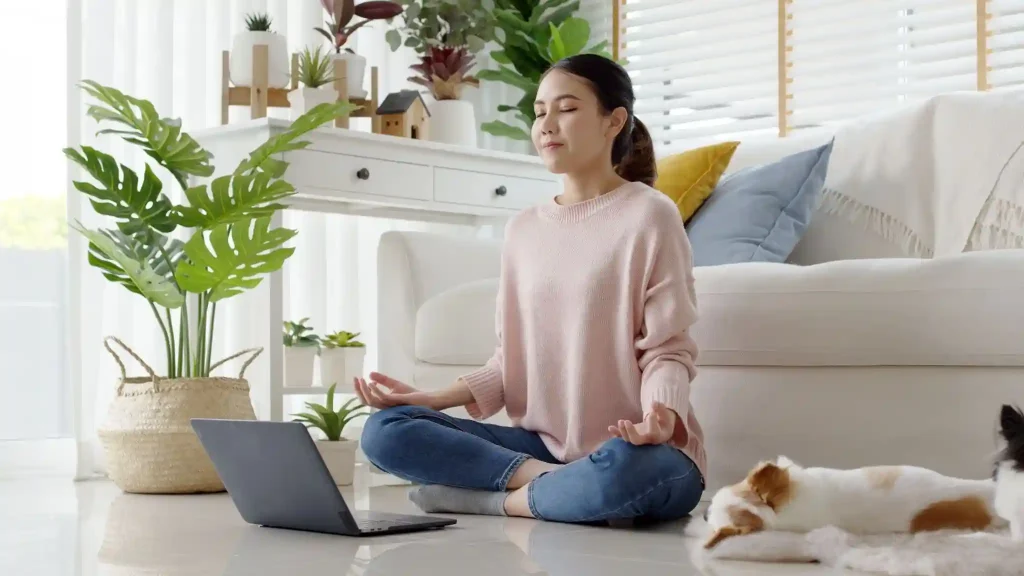
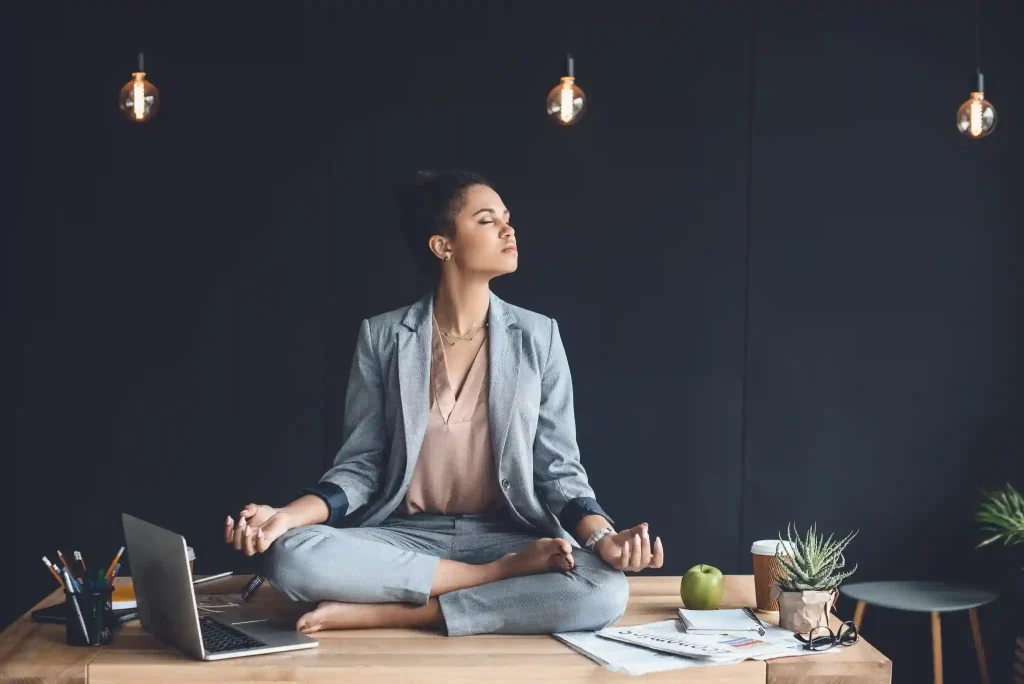
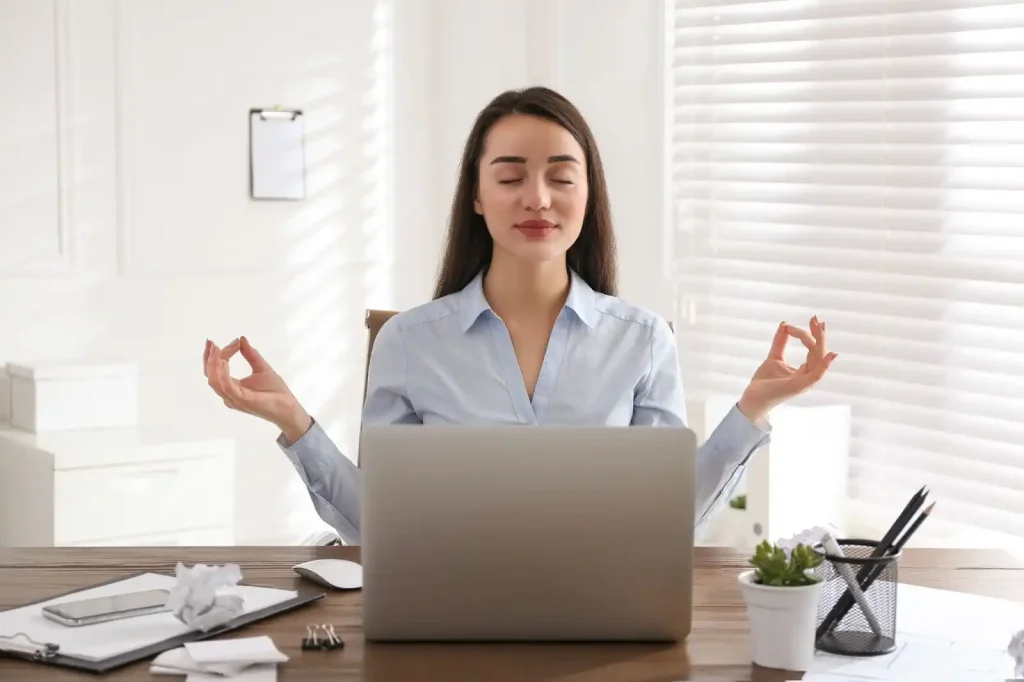
One of the most effective techniques for stress relief is mindfulness and meditation. Mindfulness involves paying attention to the present moment without judgment, while meditation is a practice that often involves focusing on the breath or a particular thought.
Real-Life Example
Consider Sarah, a busy marketing executive. Overwhelmed by deadlines and meetings, she began practicing mindfulness. Each morning, she dedicated ten minutes to meditation. Over time, she noticed a significant reduction in her anxiety levels and improved concentration at work. Research has shown that mindfulness meditation can decrease stress and improve emotional well-being. A study published in JAMA Internal Medicine found that mindfulness meditation programs can significantly improve anxiety, depression, and pain.
Physical Activity
Engaging in physical activity is another powerful stress relief technique. Exercise releases endorphins, the body’s natural mood lifters, and helps reduce stress hormones like cortisol.
Expert Insight
Dr. John Ratey, a clinical professor of psychiatry at Harvard Medical School, emphasizes the importance of exercise for mental health. He states, “Exercise is like taking a little bit of a stimulant. It helps you focus and gives you energy.” Whether it’s a brisk walk, yoga, or dancing, incorporating regular physical activity into your routine can alleviate stress and enhance your mood.
Deep Breathing Exercises
Deep breathing exercises are a simple yet effective way to reduce stress. They activate the body’s relaxation response, slowing down the heart rate and lowering blood pressure.
How to Practice Deep Breathing
To practice deep breathing, find a quiet place and sit comfortably. Inhale deeply through your nose for a count of four, hold for a count of four, and exhale slowly through your mouth for a count of six. Repeat this process for several minutes. Many find that regular practice not only helps in stressful situations but also promotes a sense of calm throughout the day.
Social Connections
Building and maintaining social connections is vital for stress relief. Sharing your feelings with friends or family can provide emotional support and help you gain perspective on your challenges.
Real-Life Example
Take Mike, who faced significant stress after losing his job. Instead of isolating himself, he reached out to friends for support. By sharing his experiences, he not only felt lighter but also received valuable advice and encouragement. Studies show that individuals with strong social ties are better equipped to handle stress and have lower levels of anxiety.
Time Management
Poor time management can lead to overwhelming stress. By organizing your tasks and setting realistic goals, you can reduce feelings of anxiety and increase productivity.
Practical Tips for Time Management
Start by creating a daily schedule that prioritizes your tasks. Break larger projects into smaller, manageable steps. Allocate specific time slots for each task, and be sure to include breaks. By managing your time effectively, you can reduce stress and improve your work-life balance.
Engaging in Hobbies
Participating in hobbies or activities you enjoy can significantly alleviate stress. Whether it’s painting, gardening, or playing a musical instrument, engaging in creative outlets allows you to express yourself and unwind.
Real-Life Example
Julia, a software engineer, found solace in painting during her weekends. It became her escape from the pressures of work. As she immersed herself in colors and creativity, she experienced a notable decrease in her stress levels. Engaging in hobbies not only provides relaxation but also fosters a sense of accomplishment and fulfillment.
Professional Help
Sometimes, managing stress requires professional intervention. Therapists and counselors can provide strategies tailored to your specific needs and circumstances.
Expert Insight
Dr. Lisa Damour, a clinical psychologist, suggests recognizing when it’s time to seek help. She notes, “If stress is interfering with your daily life, it’s essential to consult a professional who can guide you through coping strategies.” Therapy can offer valuable tools to handle stress more effectively and can be a transformative experience for many.
Nutrition and Hydration
What you eat and drink can greatly affect your stress levels. A balanced diet rich in fruits, vegetables, whole grains, and lean proteins can help your body cope with stress.
The Role of Hydration
Staying hydrated is equally important. Dehydration can lead to fatigue and irritability, exacerbating feelings of stress. Aim for at least eight glasses of water a day, and consider incorporating herbal teas known for their calming effects, such as chamomile or peppermint.
Nature Exposure
Spending time in nature is another effective stress relief technique. Nature has a calming effect on the mind and body, reducing stress and promoting relaxation.
Real-Life Example
Tom, a city dweller, made it a point to visit local parks during his lunch breaks. The greenery and fresh air helped him clear his mind and recharge. Research supports this, showing that spending time in nature can lower cortisol levels and enhance mood.
Practicing Gratitude
Cultivating an attitude of gratitude can shift your focus from stressors to positive aspects of life. Keeping a gratitude journal, where you note things you’re thankful for, can be a powerful tool for stress management.
Expert Insight
Psychologist Dr. Robert Emmons, a leading expert on gratitude, found that individuals who practice gratitude regularly experience lower levels of stress and depression. By focusing on what you appreciate, you can cultivate a more positive mindset, even in challenging times.
Conclusion
Incorporating effective stress relief techniques into your daily life can lead to significant improvements in your overall well-being. Whether it’s through mindfulness, physical activity, social connections, or professional help, finding what works for you is key. Remember, managing stress is a journey, and it’s okay to seek support along the way. By taking proactive steps, you can navigate life’s challenges with resilience and grace.
FAQs
What are some quick stress relief techniques?
Quick stress relief techniques include deep breathing exercises, taking a short walk, or practicing mindfulness for a few minutes. These methods can help you regain calmness in the moment.
How does exercise alleviate stress?
Exercise releases endorphins, which are natural mood lifters, while also reducing stress hormones like cortisol. Regular physical activity helps improve overall mental health and emotional well-being.
When should I seek professional help for stress?
If stress significantly interferes with your daily life, relationships, or overall health, it may be time to consult a mental health professional who can provide tailored strategies and support.