
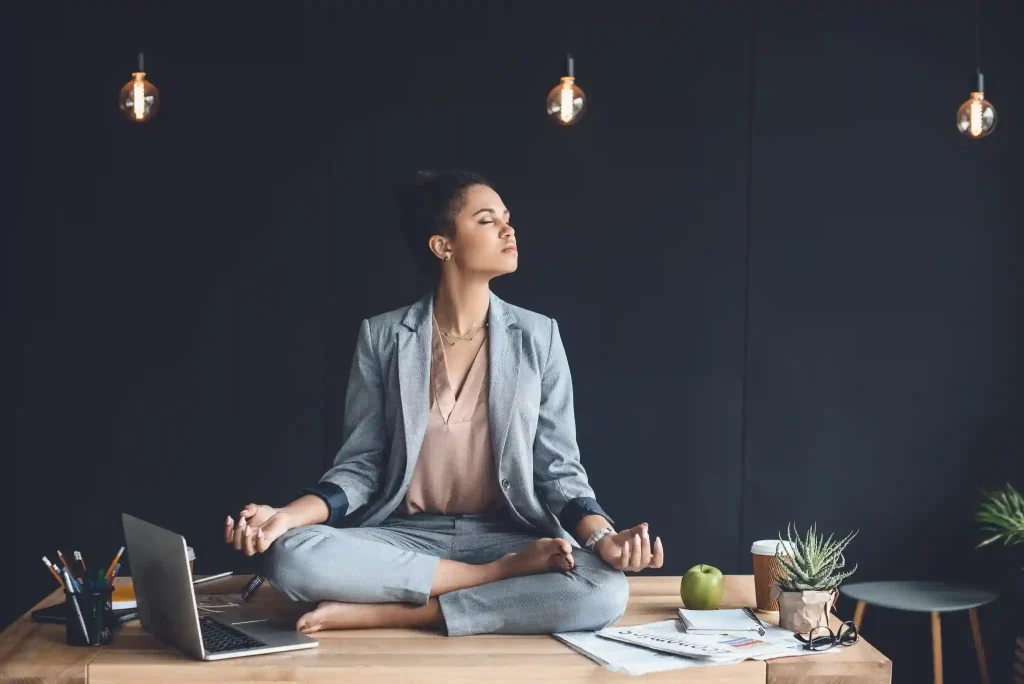
In today’s fast-paced world, stress often feels like an unavoidable part of life. The pressures of work, family, and endless responsibilities can leave us feeling overwhelmed and anxious. However, there is a beacon of hope in the form of mindfulness meditation. This ancient practice has gained significant attention in recent years for its profound ability to reduce stress and enhance overall well-being. In this blog, we will delve into the ways mindfulness meditation can alleviate stress, supported by expert insights and compelling research.
Understanding Stress and Its Effects
The Nature of Stress
Stress is a natural response of the body to perceived threats or challenges. When faced with stressors, our body triggers the “fight or flight” response, releasing hormones like cortisol and adrenaline. While this response can be beneficial in short bursts, chronic stress can lead to severe health issues, including anxiety, depression, and cardiovascular problems. Understanding the nature of stress is crucial in recognizing how mindfulness meditation can serve as a powerful tool for relief.
The Impact of Chronic Stress
Chronic stress affects not only our mental health but also our physical well-being. It can lead to a host of issues, such as insomnia, digestive problems, and weakened immune function. Furthermore, the emotional toll can manifest as irritability, mood swings, and a sense of helplessness. Recognizing the signs of chronic stress can motivate individuals to seek effective coping strategies, such as mindfulness meditation.
What is Mindfulness Meditation?
An Overview of Mindfulness
Mindfulness is a mental state achieved by focusing one’s awareness on the present moment. It involves accepting thoughts, feelings, and bodily sensations without judgment. This practice encourages individuals to observe their experiences without getting caught up in them, fostering a sense of clarity and calm. Mindfulness meditation, a formal practice of mindfulness, provides techniques to cultivate this awareness systematically.
The Principles of Mindfulness Meditation
Mindfulness meditation encompasses several key principles. First, it emphasizes focus on the breath, anchoring the mind in the present moment. Second, it encourages non-judgmental observation of thoughts and feelings as they arise. Lastly, mindfulness promotes self-compassion, allowing practitioners to treat themselves kindly while navigating the complexities of life. Understanding these principles is essential for harnessing the full benefits of mindfulness meditation for stress reduction.
How Mindfulness Meditation Works to Reduce Stress
The Science Behind Mindfulness Meditation
Numerous studies have demonstrated the effectiveness of mindfulness meditation in reducing stress. Research published in Psychological Science indicates that mindfulness practices can lower levels of the stress hormone cortisol. Additionally, a meta-analysis in Health Psychology Review found that mindfulness meditation significantly reduces anxiety and improves emotional regulation.
Neurobiological Changes
Practicing mindfulness meditation can lead to structural changes in the brain. Neuroimaging studies reveal that consistent meditation increases gray matter density in areas associated with emotional regulation, self-awareness, and compassion. These changes enhance our ability to cope with stress and foster a greater sense of well-being. Understanding the science behind these transformations highlights the profound impact of mindfulness meditation on mental health.
Practical Techniques for Mindfulness Meditation
Getting Started with Mindfulness Meditation
To begin your mindfulness meditation journey, find a quiet space where you can sit comfortably. Start with just a few minutes each day, gradually increasing the duration as you become more comfortable. Focus on your breath, observing the sensations of inhalation and exhalation. When thoughts arise, gently acknowledge them and return your focus to your breath. This practice cultivates awareness and helps you remain anchored in the present moment.
Mindfulness Meditation Exercises
There are various exercises that can enhance your mindfulness practice. One effective technique is the body scan, where you bring awareness to different parts of your body, noticing any sensations without judgment. This exercise can help you connect with your physical self and release tension. Another technique is loving-kindness meditation, where you cultivate feelings of compassion toward yourself and others. This practice can foster emotional resilience and reduce stress levels.
Expert Insights on Mindfulness Meditation for Stress
Advice from Mindfulness Experts
Experts in mindfulness meditation emphasize the importance of consistency. Dr. Jon Kabat-Zinn, a pioneer in the field, advocates for daily practice, even if only for a few minutes. He emphasizes that mindfulness is not about achieving a particular state but rather about being present with whatever arises. Dr. Tara Brach, a renowned psychologist and meditation teacher, highlights the role of self-compassion in practice, suggesting that treating ourselves kindly can significantly enhance the benefits of mindfulness meditation.
Real-Life Applications
Many individuals have found solace in mindfulness meditation during stressful times. For instance, consider the story of Laura, a busy executive facing burnout. After integrating mindfulness meditation into her daily routine, she discovered a newfound ability to manage stress. By taking just ten minutes each morning to meditate, Laura reported feeling more centered and better equipped to handle her work demands. Her story illustrates the transformative potential of mindfulness meditation for stress reduction.
The Connection Between Mindfulness and Emotional Resilience
Building Emotional Resilience
Mindfulness meditation not only reduces stress but also enhances emotional resilience. By cultivating awareness of our thoughts and feelings, we learn to respond to challenges with greater clarity and composure. This ability to navigate emotional turbulence is crucial for managing stress effectively. Research has shown that individuals who practice mindfulness exhibit improved emotional regulation and greater resilience in the face of adversity.
Developing a Growth Mindset
Mindfulness meditation encourages a growth mindset, allowing us to view challenges as opportunities for growth rather than threats. This shift in perspective can significantly reduce stress levels. When we approach difficulties with curiosity and openness, we create space for learning and adaptation. Embracing a growth mindset, supported by mindfulness practices, empowers us to face life’s challenges with confidence.
Overcoming Barriers to Mindfulness Meditation
Common Obstacles
Despite its benefits, many individuals encounter obstacles when starting mindfulness meditation. Common barriers include a busy schedule, difficulty focusing, and unrealistic expectations. Acknowledging these challenges is the first step toward overcoming them.
Tips for Success
To navigate these obstacles, start small and be gentle with yourself. Set aside just a few minutes each day for meditation, gradually increasing the time as you become more comfortable. Experiment with different techniques to find what resonates with you. Remember, mindfulness is a practice, and progress takes time. Be patient and compassionate with yourself throughout the journey.
Integrating Mindfulness Meditation into Daily Life
Creating a Mindful Routine
Integrating mindfulness meditation into your daily routine can enhance its effectiveness. Consider establishing a specific time each day for meditation, whether it’s in the morning, during lunch breaks, or before bedtime. Consistency is key to reaping the benefits of mindfulness.
Mindful Living
Beyond formal meditation, mindfulness can be practiced throughout your day. Engage in mindful eating by savoring each bite and being aware of your sensations. Practice mindfulness during daily activities, such as walking or washing dishes. By bringing awareness to these moments, you cultivate a deeper connection to the present and reduce overall stress levels.
Conclusion
Mindfulness meditation is a powerful tool for reducing stress and enhancing overall well-being. By cultivating awareness and presence, we can navigate life’s challenges with greater clarity and resilience. The science and expert insights support the profound impact of mindfulness meditation on mental health. As you embark on your mindfulness journey, remember to be patient and kind to yourself. Embrace the practice, and let it guide you toward a more peaceful, stress-free life.
FAQs
How long should I practice mindfulness meditation for stress relief?
Starting with just five to ten minutes daily is effective. Gradually increase the duration to suit your comfort level.
Can mindfulness meditation be practiced anywhere?
Yes, mindfulness meditation can be practiced in various settings, including at home, in the office, or even outdoors. Find a quiet space where you can focus.
What if I find it hard to concentrate during meditation?
It’s normal for the mind to wander. Gently acknowledge your thoughts and return your focus to your breath. With practice, concentration will improve.