
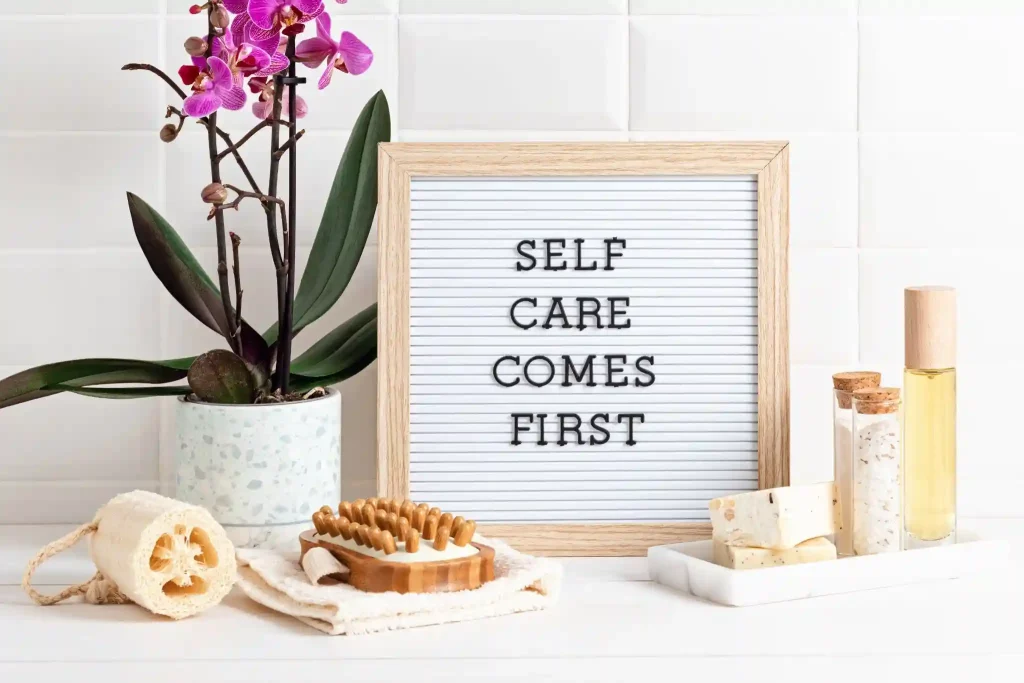
A self-care routine is more than an occasional treat or indulgence. It is a deliberate set of actions that support your physical, mental, and emotional well-being. In today’s fast-paced world, stress and overcommitment are common. Without intentional care, fatigue, burnout, and emotional strain can quickly accumulate. Establishing a structured self-care routine helps manage these pressures while enhancing overall quality of life.
A routine transforms self-care from a sporadic activity into a consistent habit. It ensures that essential practices, like rest, reflection, and recreation, become part of daily life. When thoughtfully designed, it can reduce stress, improve focus, and strengthen resilience. Beyond immediate benefits, a self-care routine promotes long-term health, enabling you to perform optimally in professional, personal, and social spheres.
Key Elements of an Effective Self-Care Routine
An effective self-care routine is multidimensional, encompassing physical, mental, emotional, and practical strategies. Addressing each area creates a holistic approach that supports sustainable well-being.
Physical Self-Care
Physical health forms the foundation of any self-care routine. This includes regular exercise, balanced nutrition, and restorative sleep. Physical activity increases energy, supports cardiovascular health, and improves mood. Even brief daily sessions, such as stretching, walking, or light workouts, can have meaningful effects. Nutrition fuels your body and mind. Prioritizing whole foods, hydration, and balanced meals stabilizes energy levels and enhances focus. Sleep, often overlooked, is essential for cellular repair, cognitive function, and emotional regulation.
Mental and Emotional Self-Care
Mental and emotional health requires intentional strategies. Mindfulness practices, including meditation, deep breathing, or guided relaxation, reduce stress and enhance clarity. Journaling can help process emotions and identify patterns that affect decision-making. Leisure activities and hobbies maintain engagement, stimulate creativity, and provide a sense of accomplishment. Strong social connections and emotional reflection further support resilience, allowing you to navigate challenges more effectively.
Practical Self-Care
Practical aspects of self-care ensure your routine is sustainable. Time management, organization, and setting boundaries reduce overwhelm. Simple adjustments like prioritizing tasks, saying no to unnecessary commitments, and planning downtime ensure that your self-care routine can be consistently followed without conflict.
Mental and Emotional Practices
Meditation and Breathing Techniques: Even five minutes a day reduces stress and improves focus.
Journaling: Helps process emotions, track progress, and maintain perspective.
Leisure and Hobbies: Engage in activities that bring joy and relaxation, whether reading, cooking, or creative pursuits.
Social Interaction: Connecting with friends or family provides support and emotional balance.
These practices integrate seamlessly into daily life, ensuring mental and emotional health without demanding large time commitments. For example, a short journaling session in the morning or mindful breathing during work breaks can create lasting benefits.
Why a Self-Care Routine Matters
A consistent self-care routine has wide-ranging benefits. It supports physical, mental, and emotional well-being while reducing the risks of stress-related health issues.
Physical Benefits
Regular self-care strengthens the immune system, improves energy, and supports recovery from daily strain. Healthy habits reduce the likelihood of chronic illness and enhance overall vitality.
Mental and Emotional Benefits
Mindfulness, stress management, and emotional processing help maintain focus, improve mood, and increase resilience. Emotional self-care strengthens relationships and prevents burnout. A balanced mental state allows for better decision-making and more effective problem-solving.
Long-Term Advantages
Sustainable self-care prevents chronic stress and fatigue, enhancing productivity and life satisfaction. Habits developed over time compound, creating a stable foundation for ongoing personal and professional success. Individuals with consistent routines often experience improved emotional intelligence, stronger relationships, and heightened adaptability.
Long-Term Benefits
Prevents burnout and chronic stress.
Enhances productivity and focus.
Builds habits that support lifelong health.
Integrating these benefits into daily life ensures that self-care is more than a temporary fix. It becomes a lasting foundation for health, balance, and resilience.
How to Build a Personalized Self-Care Routine
Creating a self-care routine requires assessment, planning, and flexibility. There is no universal formula; each routine should reflect individual needs and priorities.
Step 1: Assess Your Current Lifestyle
Identify stress points, time commitments, and areas that lack attention. Understanding your patterns allows you to prioritize practices that will have the greatest impact.
Step 2: Prioritize Activities
Focus on habits that align with your physical, mental, and emotional goals. Determine what is essential and what can be modified or removed to free time for self-care.
Step 3: Start Small
Introduce one or two new habits at a time. Small, achievable changes prevent overwhelm and increase the likelihood of consistent practice. Gradually expand your routine as habits solidify.
Tips for Consistency and Sustainability
Tracking: Journals, apps, or checklists help maintain accountability.
Variety: Rotate activities to prevent monotony. Incorporate different forms of exercise, mindfulness, and leisure.
Adaptability: Adjust your routine based on life changes, energy levels, and evolving priorities.
Consistency ensures that self-care becomes habitual rather than optional. Flexibility allows the routine to withstand life’s unpredictable challenges without being abandoned.
Common Challenges and Solutions
Even well-intentioned self-care routines face obstacles. Awareness and proactive solutions can prevent frustration.
Lack of Time
Micro-habits, like five-minute stretches or brief meditation, make self-care feasible even in busy schedules.
Feeling Guilty for Prioritizing Yourself
Self-care is an investment in your health and effectiveness. Prioritizing personal well-being enables better support for others and improves overall performance.
Staying Motivated
Set achievable goals, track progress, and celebrate small successes. Accountability through tracking or social support reinforces routine adherence.
Measuring the Impact of Your Self-Care Routine
Assessing progress ensures your routine is effective and aligned with goals. Consider:
Energy Levels: Are you more alert and focused throughout the day?
Mood and Stress: Do you handle challenges with greater calm and resilience?
Productivity and Performance: Are tasks completed efficiently without feeling drained?
Relationship Quality: Do interactions with family, friends, and colleagues improve?
Feedback from your body and mind allows fine-tuning of routines for maximum benefit. This iterative process helps maintain long-term effectiveness and sustainability.
Conclusion
A self-care routine is essential for a balanced, healthy life. It integrates physical, mental, emotional, and practical practices to reduce stress, improve focus, and strengthen resilience. The benefits are both immediate and long-term, creating a foundation for productivity, personal growth, and meaningful relationships.
Creating a routine requires intentional planning, small incremental steps, and flexibility. Start by assessing needs, prioritizing key practices, and gradually building habits. Use tracking, variety, and adaptability to maintain consistency. By investing in a structured self-care routine, you commit to your well-being and long-term quality of life, ensuring sustainable balance and fulfillment.